

Ramadan Is a Month of Healing
Ramadan Ascent #2

Assalamualaikum dear friend,
For many people, Ramadan is introduced to us as a month of fasting. We are told about discipline, about hunger, about learning patience through restraint. All of that is true, of course. But if you have lived through enough Ramadans, you begin to notice something deeper happening beneath the surface.
Ramadan is not only a month of discipline.
It is a month of healing.
Many of us enter Ramadan carrying things inside our hearts that we do not talk about openly.
Regrets from decisions we wish we had handled differently.
Strained relationships that still sit heavily in our thoughts.
Worries about our future, our families, our health, or our livelihoods.
Sometimes the weight is spiritual. We know we have drifted further from Allah than we intended, and the distance quietly troubles us.
Ramadan arrives as a warm invitation to return.
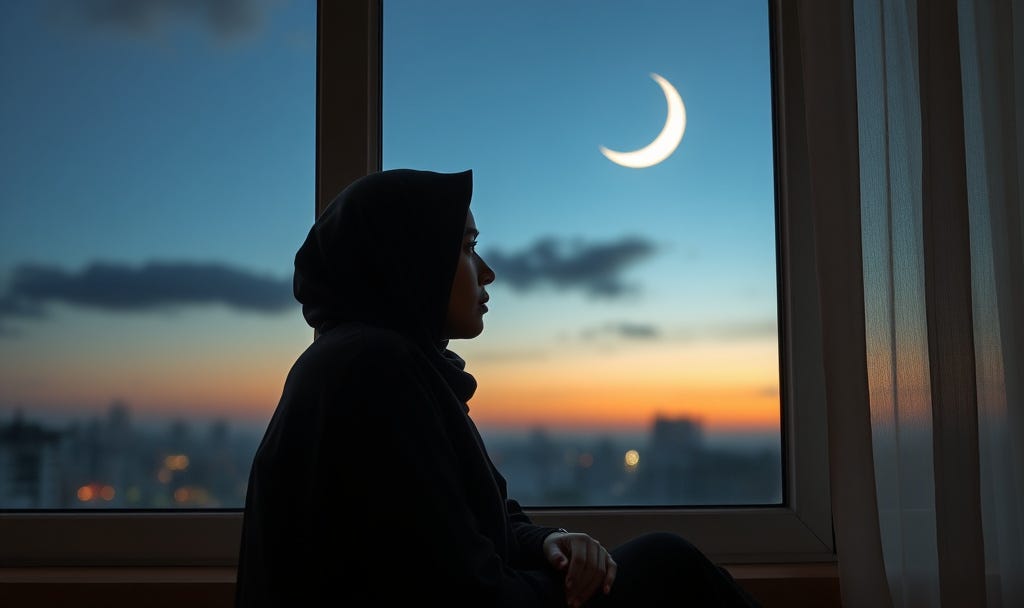
Allah reminds us in the Qur’an that His revelation itself carries healing for the human heart:
يَا أَيُّهَا النَّاسُ قَدْ جَاءَتْكُم مَّوْعِظَةٌ مِّن رَّبِّكُمْ وَشِفَاءٌ لِّمَا فِي الصُّدُورِ وَهُدًى وَرَحْمَةٌ لِّلْمُؤْمِنِينَ
“O mankind, there has come to you instruction from your Lord, and a healing for what is in the hearts, and guidance and mercy for the believers.”
(Surah Yunus 10:57)
Notice how Allah describes the Qur’an. It is not only guidance. It is also a healing for what is in the hearts.
That is why Ramadan always feels different compared to the rest of the months in the year. When the Qur’an returns to our daily lives, when we stand longer in prayer, when we become more mindful of our actions and words, something inside begins to soften. The same problems may still exist, but our hearts begin to relate to them differently.
Sometimes the healing comes through repentance. Sometimes it comes through deep personal reflection. And sometimes it comes through a moment in prayer when we finally admit to Allah what we have been struggling with all along.
There is a moment in the life of the Prophet ﷺ that captures this idea of healing beautifully.
After years of rejection and persecution in Makkah, the Prophet ﷺ travelled to the city of Ta’if hoping its people might listen to the message of Islam. Instead, he was met with hostility. They mocked him, rejected him, and drove him out of the city while children were encouraged to throw stones at him. By the time he left Ta’if, his blessed feet were bleeding.
Imagine the emotional weight of that moment. A man carrying the most important message humanity would ever receive, rejected and humiliated by the very people he was trying to guide.
When the Prophet ﷺ reached a garden outside the city, he turned to Allah and made a heartfelt du’a. He admitted his weakness, his exhaustion, and the pain of what had just happened. Yet within that du’a was a remarkable statement of faith. He said to Allah that as long as Allah was not angry with him, then the hardship did not matter.
Soon after, the angel of the mountains came and offered to crush the people of Ta’if between the mountains for what they had done. The Prophet ﷺ refused. Instead, he hoped that one day their descendants would believe in Allah.
This response did not come from a hardened heart. It came from a heart that had healed enough to choose mercy over revenge.
Ramadan invites us to experience that same healing within our own lives.
Sometimes it begins with something as simple as turning back to Allah and admitting our mistakes. The Prophet ﷺ reminded us of an important truth about the human condition:
كُلُّ بَنِي آدَمَ خَطَّاءٌ وَخَيْرُ الْخَطَّائِينَ التَّوَّابُونَ
“Every son of Adam makes mistakes, and the best of those who make mistakes are those who constantly repent.”
(Reported by al-Tirmidhi)
There is something deeply comforting about this hadith. It reminds us that making mistakes is part of being human. What matters most is whether we return to Allah afterwards.
Ramadan makes that return easier. The doors of mercy are opened wider. The distractions of daily life slow down. Acts of worship become more frequent, and the entire spiritual atmosphere begins to shift.
A verse of the Qur’an suddenly feels like it is speaking directly to your situation. A du’a you read after tarawih feels more sincere than any du’a you have made in months. A burden you have been carrying begins to feel lighter because you have finally placed it in Allah’s hands.
Also, there are times when the healing shows up in the form of tears during prayer. Not tears of despair, but tears of self-acceptance and relief.
Because the heart has finally found its way back to its Creator.
If you find yourself feeling more emotional than usual this Ramadan, do not be alarmed. Something inside you may simply be softening again.
Allow the process to happen. Read the Qur’an slowly and reflect on its meanings. Speak to Allah honestly in your du’a, even if your words feel imperfect. Seek forgiveness for your mistakes without losing hope in Allah’s mercy.
Ramadan does not demand perfection from us.
It simply opens the door for healing.
Ramadan Kareem,
MW